

Engineering
Designing & Drafting



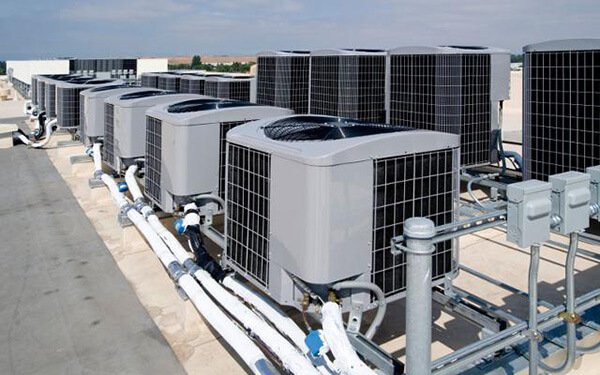
Designing & Drafting
Designing and drafting air conditioning systems involves several key steps:
- Asessment of Requirements: Begin by assessing the specific cooling requirements for the space, considering factors such as size, usage, insulation, and climate.
- System Selection: Choose the appropriate air conditioning system type, such as central air, split system, or chiller-based, based on the assessed requirements.
- Load Calculation: Perform a detailed load calculation to determine the cooling capacity needed to maintain the desired temperature and humidity levels.
- Ductwork and Ventilation: Design the ductwork and ventilation system to distribute conditioned air throughout the building effectively.
- Equipment Sizing: Select and size the air conditioning equipment, including compressors, coils, and fans, to match the load calculations.
- Layout and Placement: Plan the placement of indoor and outdoor units, taking into account aesthetic, space, and noise considerations.
- Energy Efficiency: Optimize the system for energy efficiency by incorporating features like programmable thermostats, variable-speed fans, and zoning.
- Controls and Wiring: Design the control system and electrical wiring to ensure seamless operation and user-friendly interfaces.
- Safety and Compliance: Ensure that the design complies with relevant safety codes and regulations, including electrical, refrigeration, and building codes.
- Documentation: Create detailed schematics, drawings, and specifications for the air conditioning system, including plans for construction and installation.
- Testing and Verification: Before installation, validate the design through simulations or calculations and adjust as needed.
- Construction and Installation: Oversee the installation process, ensuring that it aligns with the design and safety requirements.
- Commissioning and Testing: Verify that the system operates correctly and efficiently and make any necessary adjustments.
- Maintenance and Service: Develop a maintenance plan to keep the air conditioning system operating optimally over time.
- Energy Efficiency:
- Space-Saving Design:
- Quiet Operation:
100% Satisfaction Guaranteed
Web Designer
100%
Our Experties.
Trusted by over 1000+ clients.
We’re Professional and Certified
Mastering the Art of Climate Control – Your Specialization Journey in HVAC Begins Here."
Delivering World-Class HVAC Solutions Beyond Borders
We provide high-performance, energy-efficient HVAC systems engineered to meet international standards, ensuring reliable comfort for commercial and industrial projects worldwide.
1K+
Complete
Projects
Projects
100%
Satisfied
Customers
Customers
10K
Happy
customers
customers